English meaning: We worship the Three-Eyed Lord Shiva, who is fragrant and nourishes all beings. As a ripe cucumber is freed from its vine, may He liberate us from death and bondages, bestowing immortality.
What is Shri Mahamrityunjaya Mantra?
The Mahamrityunjaya Mantra is Rigveda 7.59.12, addressed to Tryambaka—Rudra, later widely identified with Shiva. It asks for release from the bondage of death like a ripe cucumber released from its stem, while not being separated from immortality.
Vedic source and name
The verse appears at Rigveda 7.59.12 and is associated with Vasishtha Maitravaruni in the Rigvedic tradition. The familiar names Mahamrityunjaya Mantra and Tryambakam Mantra belong to its later devotional reception. The prefixed Om is customary in recitation but is not part of the Rigvedic verse text.
What the imagery means
Urvaruka is commonly understood as a ripe cucumber or gourd that separates naturally from its stalk. The image is a prayer for liberation from mortal bondage without losing amrita—often translated as immortality or the deathless. Translation choices vary, so the meaning shown below is interpretive rather than definitive.
Practice and health note
The mantra is often recited during Shiva worship, periods of fear, illness, bereavement, or personal reflection. These are devotional uses. Chanting can accompany care and spiritual support, but it does not diagnose, prevent, or treat illness and should never replace professional medical attention.
Aids for your mantra practice
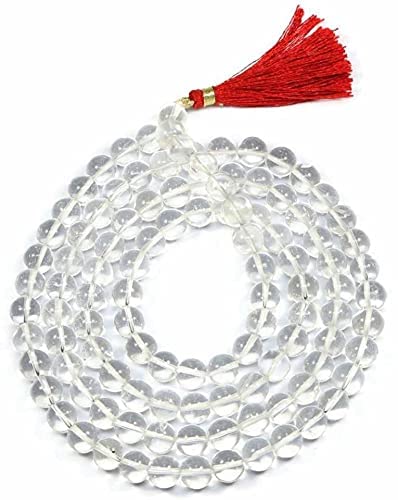
Many practitioners chant on a 108-bead mala while seated on a dedicated asana. Here are a few reviewed options.